
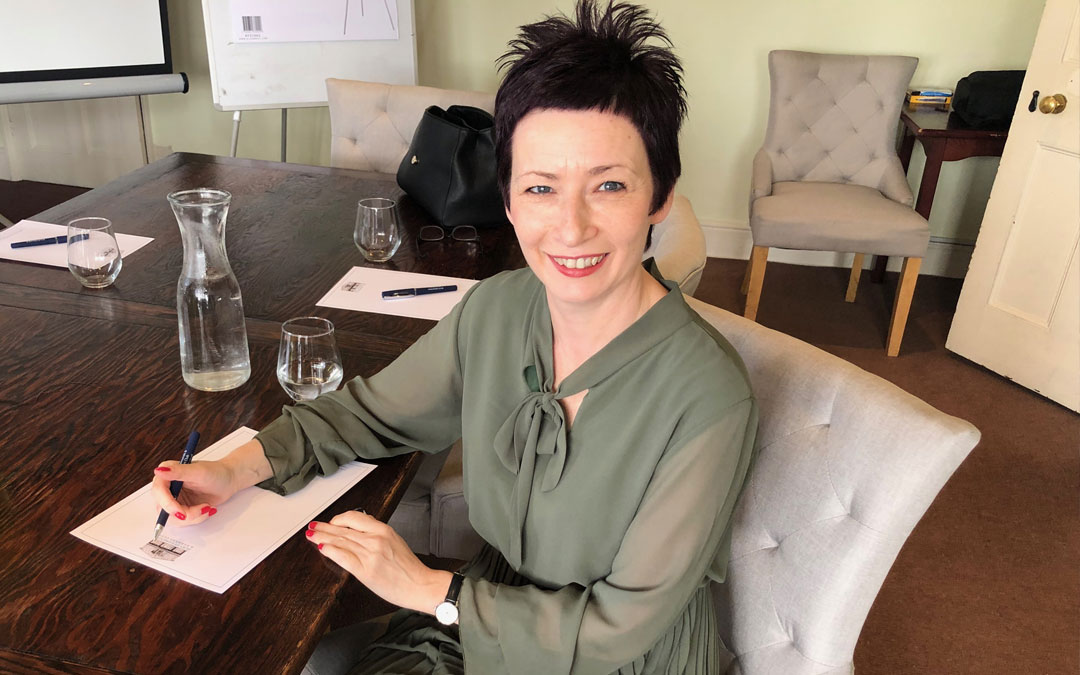
I decided to put some points together of what makes a good TA and I thought there is no better person to interview about this than our Managing Director Ruth Newman. Ruth has been recruiting Teachers and TAs into special schools for 13 years, previous to this she was a Teacher in a Special School in London. We spent an hour discussing the role of a TA.
Esther: So what in your opinion makes a good TA?
Ruth: A good TA is someone who truly puts the pupils needs first and supports the teacher in doing so. They will provide a positive work environment for the pupils and staff around them.
Esther: What was your experience of working with TAs in special schools?
Ruth: As a Teacher I was managing up to 3 TAs at a time, the best TA I ever worked with was an individual who offered fantastic support to myself and the pupils.
Esther: What made that person stand out?
Ruth: This person was always on time, always reliable, kept to the same routine everyday offering drinks for the children and tidying up etc. They were engaged in the lessons and had an awareness of the dynamics in the classroom. This person connected well with the Children, always adapted a positive approach and didn’t get involved in school politics, their only focus was the pupils!!
Esther: So what exactly is the role of a TA?
Ruth: The role of a TA can vary from school to school and class to class, however here is a list of duties and responsibilities a TA role may include.
- To support the learning in the classroom, supporting the teacher and the other TAs.
- To work with the pupils towards learning goals in small groups, large groups or 1:1
- To be a positive role model to motivate and encourage the pupils.
- To Communicate to staff and pupils at all times.
- To manage the behaviour of pupils – think of different ways to manage behaviour. Each pupil is individual and will require a different approach.
- To Supervise at lunch time and break times when required.
- Create resources for lesson times and displays.
- Supporting the teacher with lesson planning where required.
- Offer your subject specialism and utilise it in the classroom.
- Be enthusiastic motivated and interesting. The pupils will then be interested motivated and enthusiastic themselves!!
Esther: Are there any qualifications you would suggest or courses?
Ruth: When working with SEN pupils BSL and Makaton are always useful you can take qualifications in both of these. Then there are structured qualifications in Childcare, TA/HLTA courses which can help you gain experience in the classroom. We always consider Graduates in any subject who have experience of working with children/young people.
Esther: What would you say are the soft skills required to be a TA?
Ruth:
- Flexibility is important, A TA may be asked to fill in for someone last minute or go into a KS1 group and then KS2. They will be expected to work with different pupils and adapt to different learning needs.
- They must be Resilient. Every day is different and some days are tougher than others. You are there to be consistent for the pupils and be even tempered.
- Communicative and by this I mean both written and spoken. when working with vulnerable children it is vital to communicate with staff and give productive feedback. You may be asked to carry out assessments and provide paperwork.
- Cooperation is important. Everyone works differently, you are expected to adapt to this and develop positive relations with pupils and staff
- Positivity! no matter what the circumstances its always important to keep positive. A positive approach encourages success and progress for the pupils.
- All TAs need to have Compassion and have a caring nature. You are there to support the pupils holistically.
Esther: Are there any final tips you can offer to someone who is a TA or thinking of becoming one?
Ruth: Yes I would say be open to change, treat every day as a new day and bring your skills and talents to the classroom. Enjoy your role and the pupils will enjoy their work.